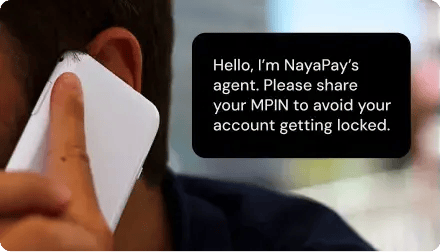


Got a “NayaPay” call out of nowhere?
If someone claims to be from NayaPay and demands urgent payment or sensitive information, pause.
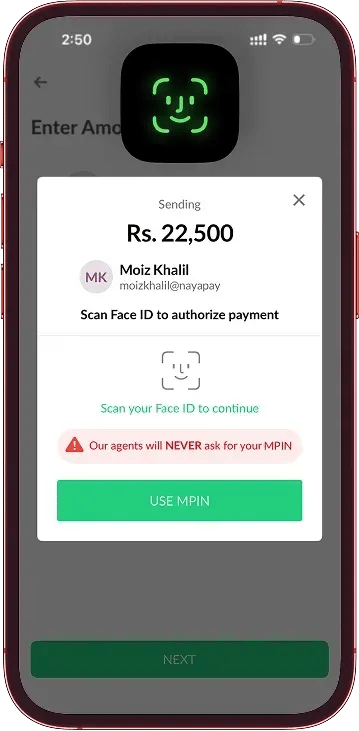
We’ll never ask for your MPIN, OTP, card PIN or passwords, and we only call from +(92 21) 38400729.
We’ll never ask for your MPIN, OTP, card PIN or passwords, and we only call from +(92 21) 38400729.
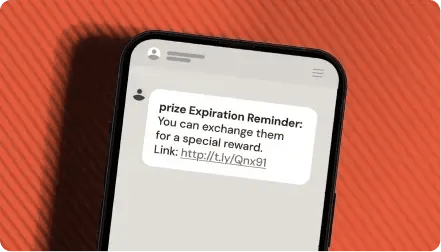
Someone’s claiming you’ve won a big reward?
Those “Congratulations! You’ve won” calls or texts come with a catch, pay first or share private info.
If you never applied, there’s nothing to claim. Real rewards never ask for money or personal details.
If you never applied, there’s nothing to claim. Real rewards never ask for money or personal details.
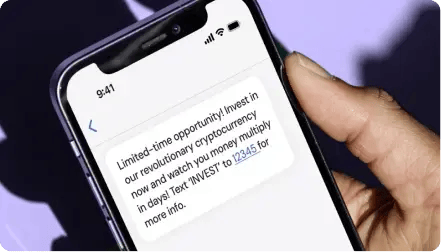
High returns, low risk?
From social media ads to unregistered advisors, scammers push offers that sound too good to miss. If it sounds like easy money, it’s probably a trap.
Always invest through trusted, regulated channels.
Always invest through trusted, regulated channels.
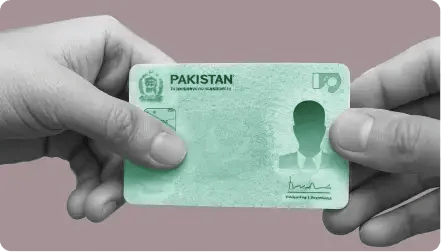
Don’t let your CNIC assist someone else’s crime.
Your CNIC can be used to create accounts or move money. These accounts change hands multiple times, making it hard to trace and leaving you responsible for the misuse.
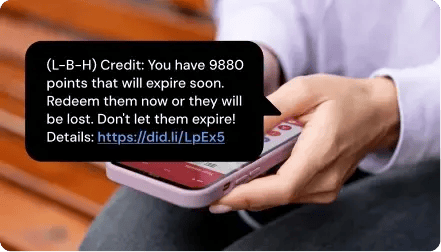
Not every link is a safe link.
Messages that look official may push you to click links, share details, or act urgently. These tricks are designed to steal your data.
Always double-check before sharing details. If you’re unsure, stop and verify directly through trusted, official sources.
Always double-check before sharing details. If you’re unsure, stop and verify directly through trusted, official sources.
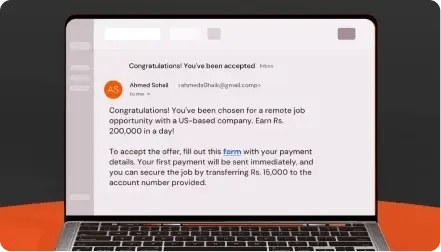
Quick income or quick scam?
Fraudulent job ads promise high pay with little effort. They may ask you to pay upfront or use your account to move money.
If a job involves payments, fees, or transferring funds, it’s a scam. Stick to verified employers and check credibility before applying.
If a job involves payments, fees, or transferring funds, it’s a scam. Stick to verified employers and check credibility before applying.
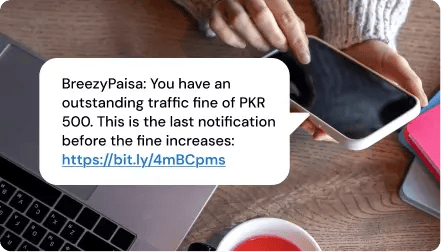
They sound official. They’re not.
Scammers use fear and authority to pressure you into sending money or sharing details. Common tricks include fake police calls or urgent bills.
Real authorities won’t rush you or demand payments. Double-check with the organization through their official contacts.
Real authorities won’t rush you or demand payments. Double-check with the organization through their official contacts.
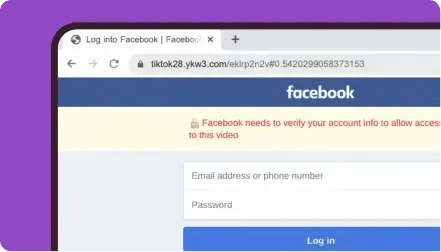
Your card deserves real websites.
Fraudulent websites often pose as popular stores or brands to steal your debit card details. They look convincing, but the moment you enter your card details, it’s collected and misused for unauthorized transactions.
Always check the website address, look for “https://” and security locks, and avoid entering your card details on unfamiliar or unverified sites.
Always check the website address, look for “https://” and security locks, and avoid entering your card details on unfamiliar or unverified sites.
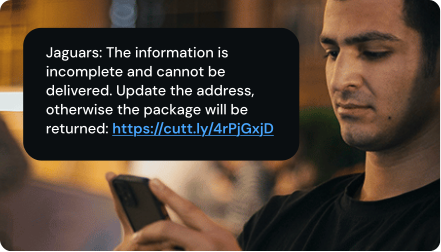
That’s not your courier.
Ever get a text saying “update your address to receive your parcel”? It’s a scam link trying to steal your details.
Ignore suspicious delivery messages, don’t click on links, and always track parcels directly through the courier’s official website or app.
Ignore suspicious delivery messages, don’t click on links, and always track parcels directly through the courier’s official website or app.